

It’s Not Easy Being Green (But Help Is At Hand…)
The Sustaining Buildings website defines sustainability as “a broad term describing a desire to carry out activities without depleting resources or having harmful impacts.” Terms like biophilic design, being ‘green’ and the wish to be environmentally friendly also get bandied about, but often without detail as to what is being achieved and how. While the concept of biophilic design is easily be explained as reflecting positive human responses to nature and the interaction between exterior and interior spaces, motifs, and patterns, being environmentally friendly (i.e. green) in a design sector where infection control and the prevalence of manmade materials is prevalent can far prove challenging.
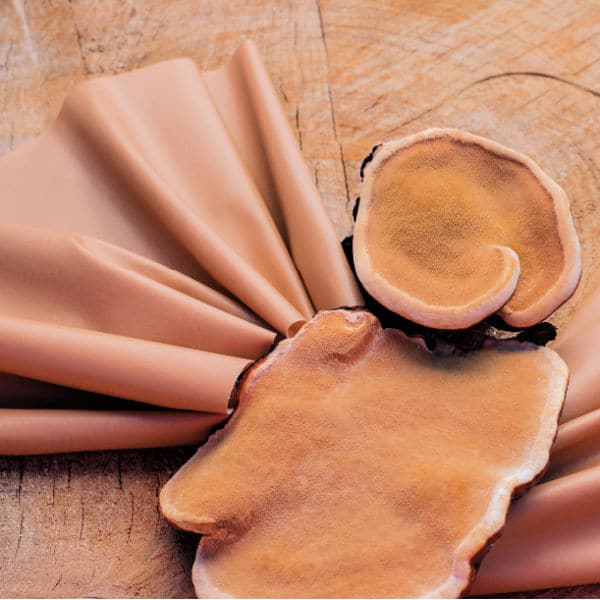
Natural colour palates such as greens, golds, terracotta, and wheat tones have certainly made their mark in recent years in a nod toward the biophilic, it is the choice of both materials and manufacturers which can set design practices apart. Fire-rating requirements differ between countries and even local regions, but you’ll find yourself on the path toward a greener future by choosing natural materials such as wood, stone, terracotta, and linen.
Bleached cottons and dyed leathers are particularly challenging for the environment. You may not be aware that it takes up to 20,000 liters of water to produce a single kilogram of cotton. Natural leathers, especially hides that are dyed, can cause ecological problems due to runoff waste which depletes oxygen levels in water. Whereas the recently developed mushroom leathers tend to be non-toxic, waterproof, fire-resistant, carbon-negative and biodegradable.
You can also extend your sustainability actions to include using suppliers with a clear Environmental Sustainability Strategy, such as ThirdAge.Design sponsor Innova Care Concepts who have linked their vision directly to contemporary furniture ranges such as Infinitum Furniture. You’ll find more detailed information on this topic, as well as website research links, in the July ‘23 episode of the ThirdAge.Design podcast.
